Foolproof supported the development of One Shot Immersive's award-winning virtual reality training solution designed for mass casualty triage and emergency response education. Through audits, surveys, interviews, and user research, the team identified opportunities to improve usability, accessibility, and learning effectiveness. The resulting enhancements helped ensure that medical professionals could engage with the training experience more effectively and gain greater confidence in emergency response situations.
Improving front-line triage in Yemen with One Shot Immersive

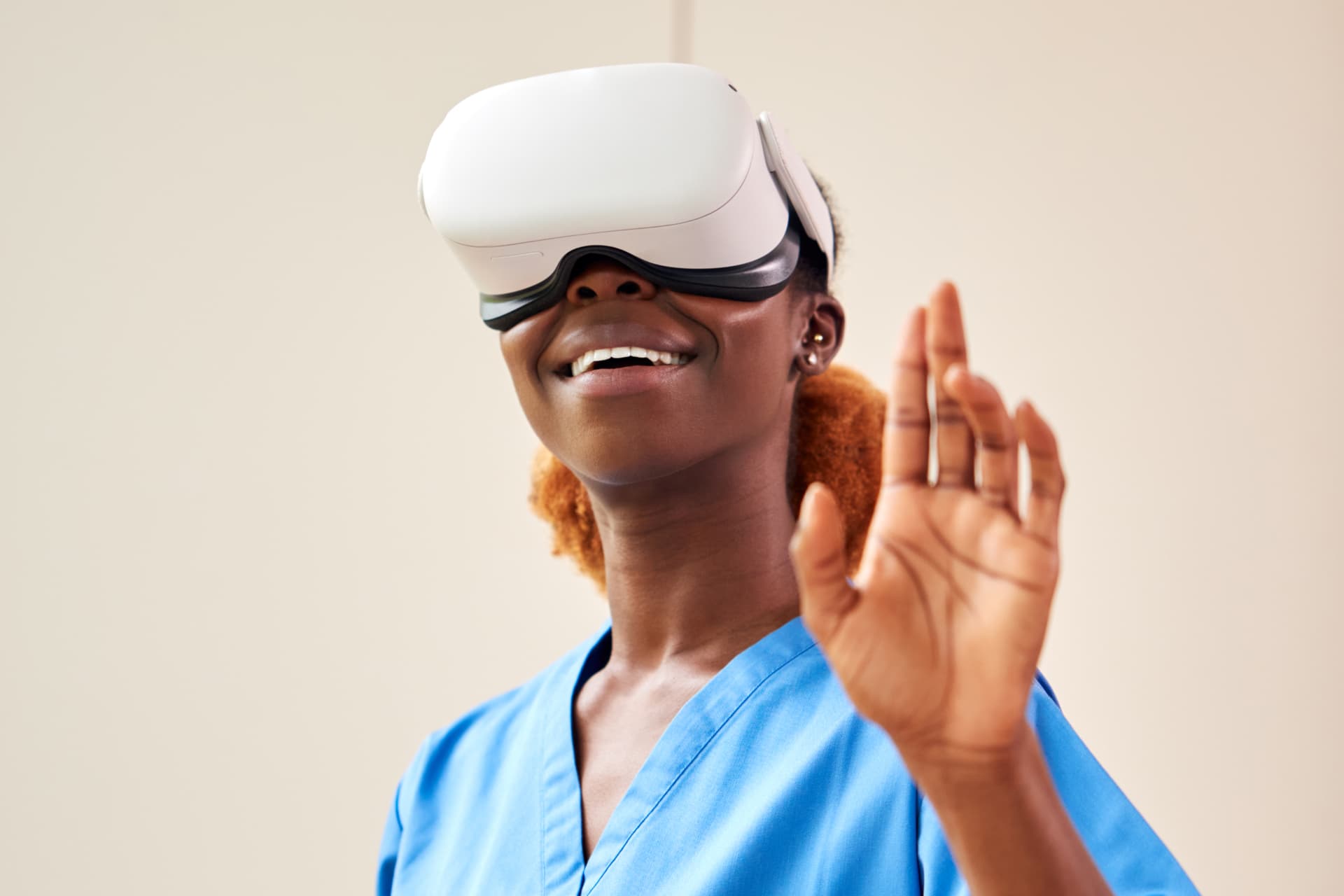
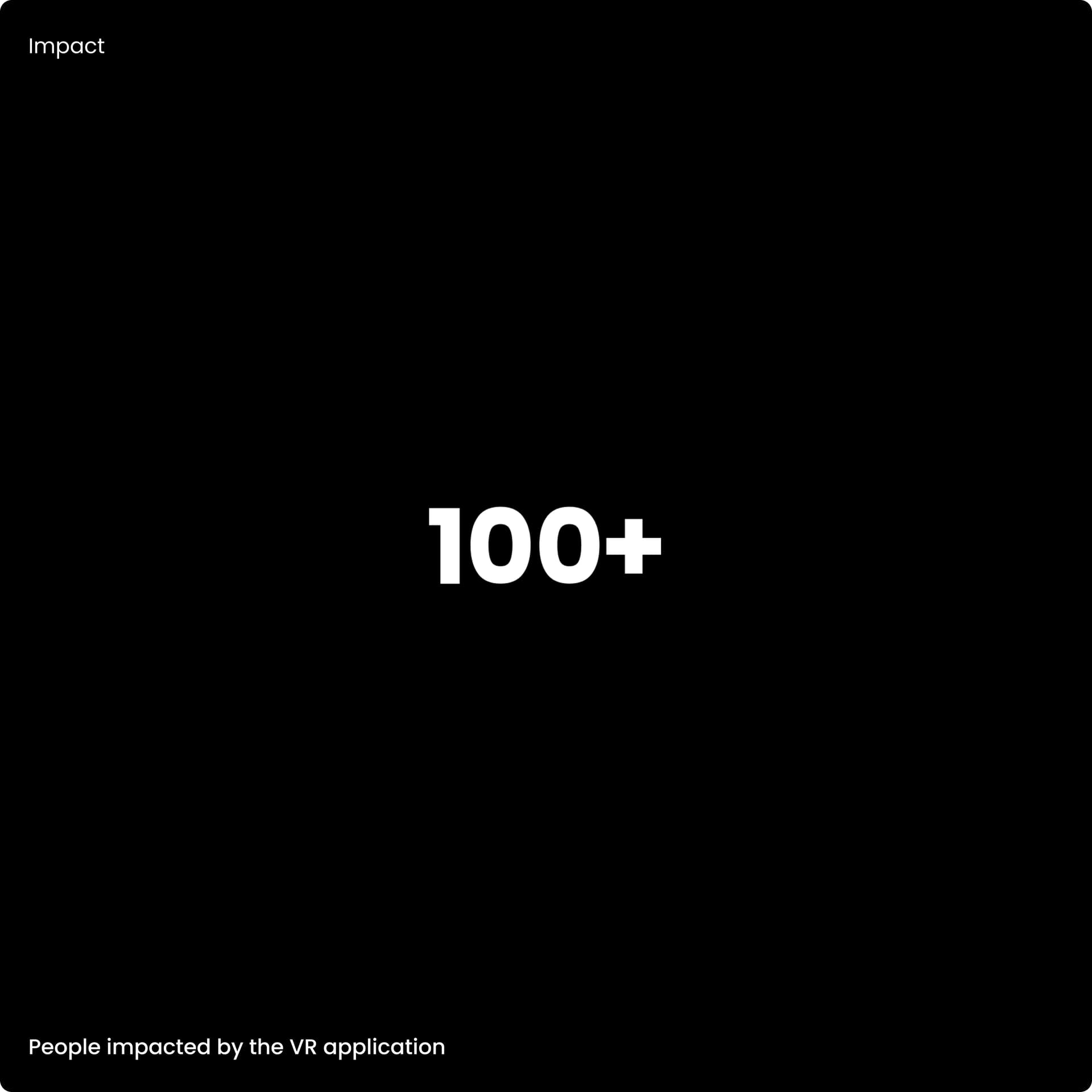
We supported the development of One Shot Immersive's BIMA award-winning VR training experience, used to improve mass casualty triage in austere and high threat environments. This technology prepares people to respond to mass casualty events such as natural disasters and terror attacks. It is now being delivered in Yemen by the David Nott Foundation, with other countries including Somalia planned.
The Challenge
Uncover unserved user needs to inform the next iterative development phase
Establish measures and a data baseline to understand the effectiveness of the training experience
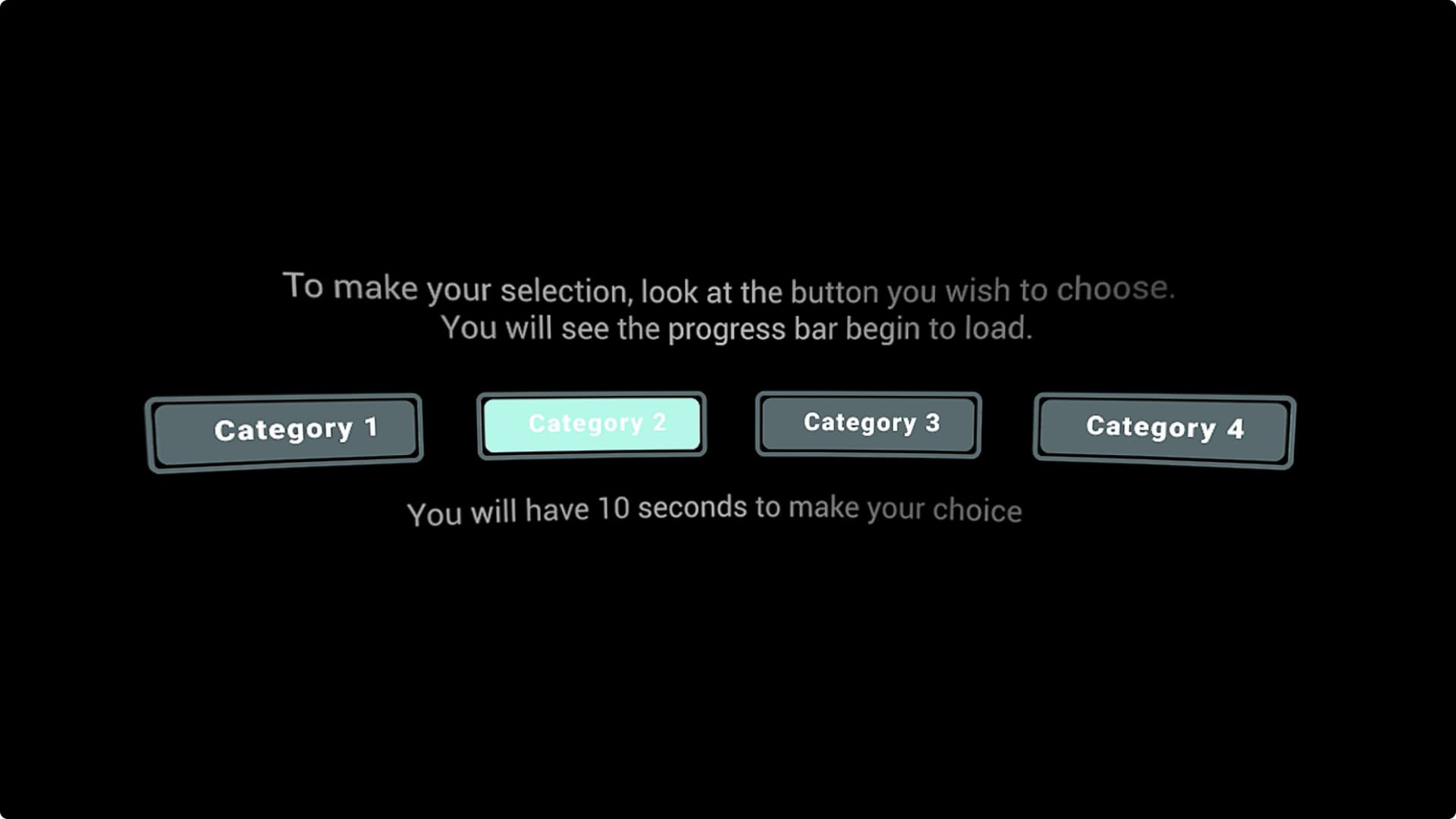
Ensure the headset experience is accessible and easy to use in challenging environments
The solution
Audited the existing experience
Commissioned a survey on the experience and its effectiveness
Captured data using the baseline to dictate next steps
Next-gen medical training
One Shot Immersive develops VR training experiences to improve medical and situational awareness. They have successfully delivered educational workshops on humanitarian disasters and warfare through their partnership with the David Nott Foundation, saving countless lives in the process.
Auditing experiences to save lives
We validated the training experience to provide essential support to medics on the frontline of the world’s most turbulent areas. This was to support local hospitals and safeguard resources in Yemen, where there was four surgeons for every million people. To provide validation, we performed a comprehensive experience audit to form recommendations used to improve product features, functionality and the user journey. This ensured that the product was intuitive and met the needs of both medical trainers and trainees.
It's great to see VR training and triage for the developing world. Its potential impact is untold and inspiration to use VR for practical purposes.
Assessing the experience with frontline personnel
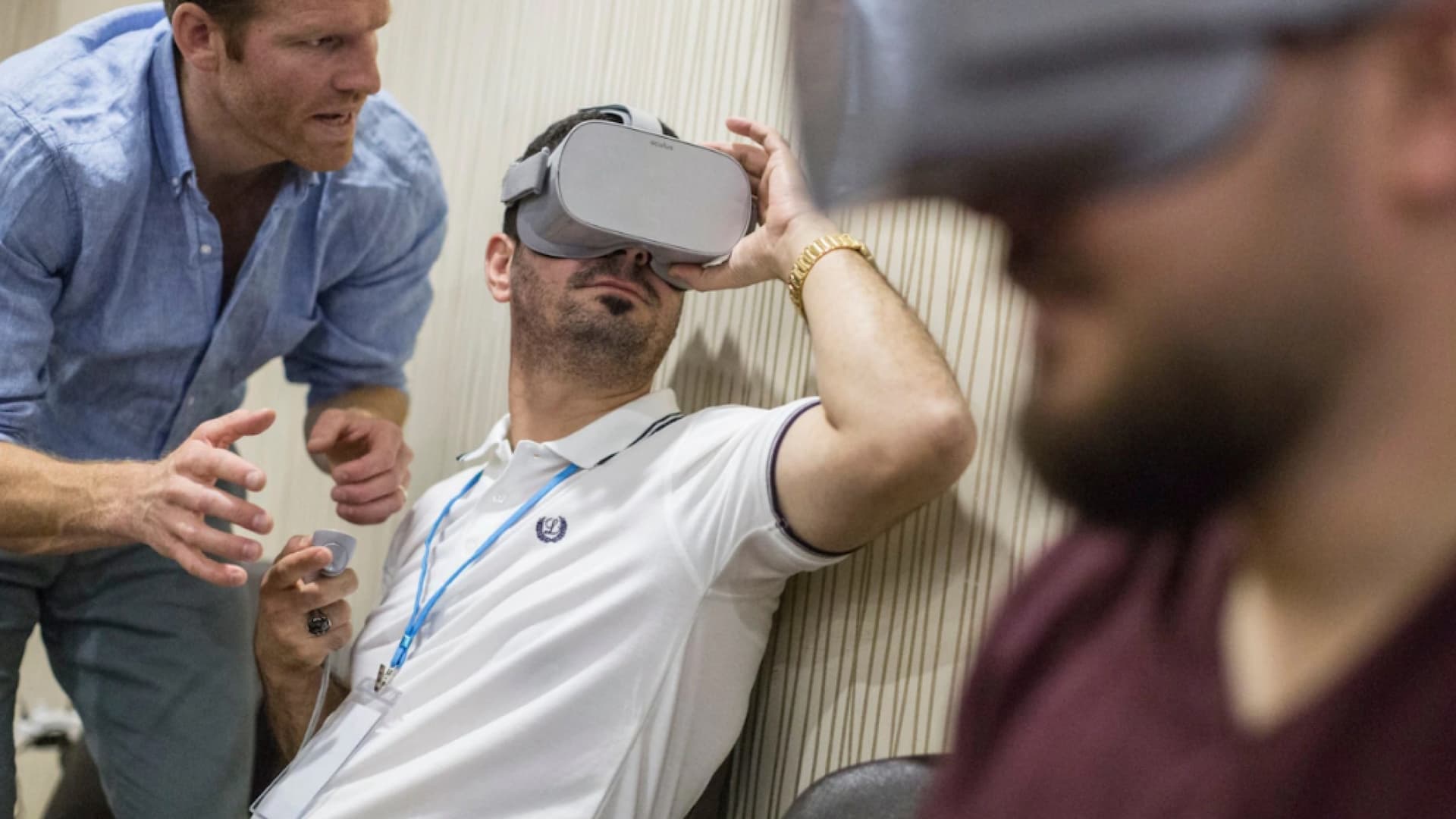
In phase two, we interviewed doctors across sites to measure the engagement and confidence levels of users. Initially, the testing focussed on headset configuration and messaging. We asked questions to determine whether the instructions were clear and easy to follow, and without having to troubleshoot. We then assessed the headset’s VR environment. which offered a lifelike experience based on a live war zone. One user consideration, taking the graphic content into account, was motion sickness and discomfort. Another centred around learning and whether the content delivered on that front. We tasked participants to distil their learnings, touching on the retention of information and documenting their psychological response to the headset and content experience. In time, this data informed an expert review. This provided One Shot Immersive with the means to measure the effectiveness of the headset and make iterative improvements over time.
Foolproof are global leaders. To have them as part of the product design team, taking VR to the world's worst humanitarian crisis, was something I am truly grateful for. VR trauma training has the power to save so many lives, but product design is critical. Foolproof helped us identify ways of immersing the user more fully, allowing them to experience the chaos of a mass casualty in a safe and engaging way. I want to thank everyone at Foolproof, their skills can add huge value to the humanitarian sphere.
Yemen and beyond
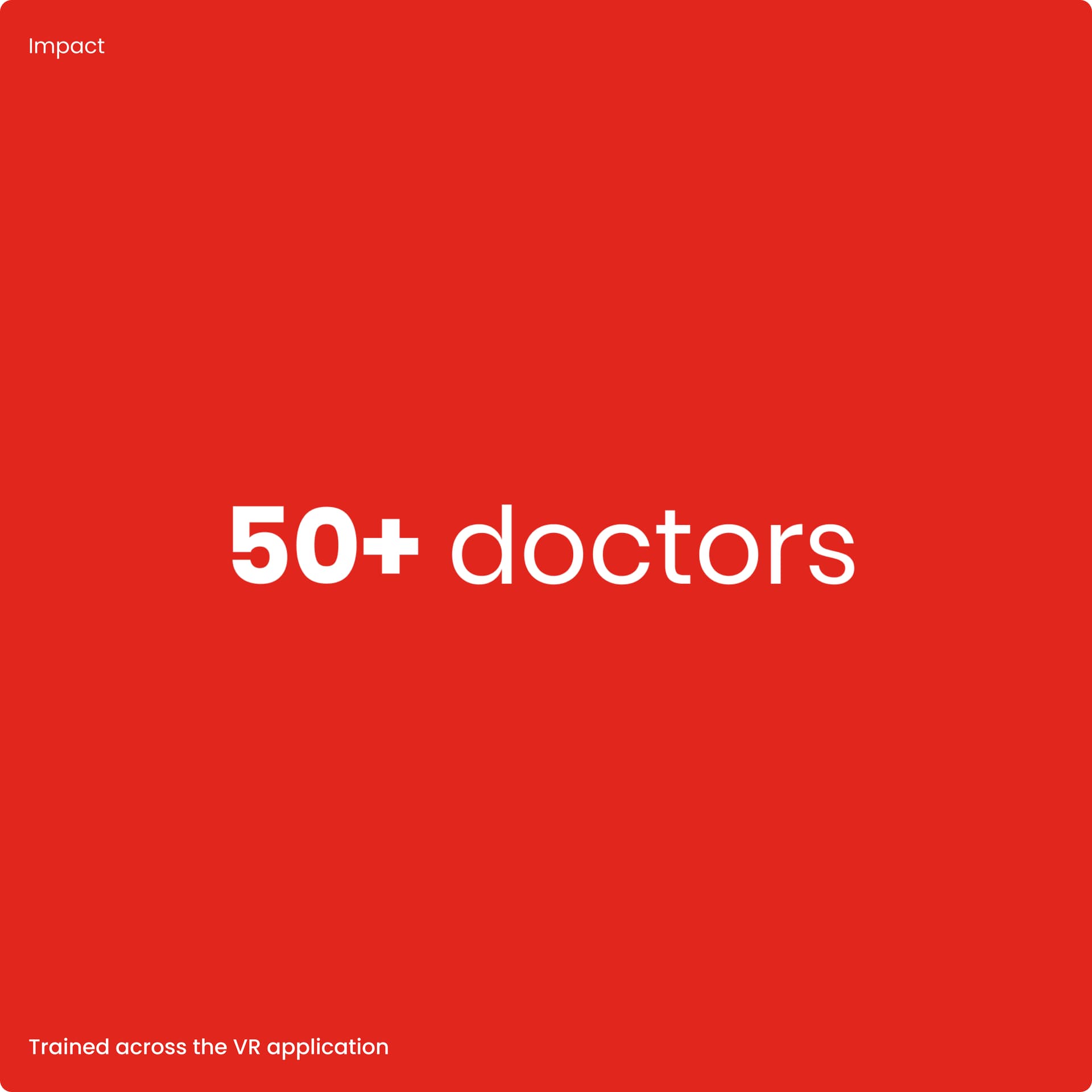
One Shot delivered training workshops to doctors and medical personnel, in both Yemen and Syria. This was just the start of a global initiative, which quickly gained international traction. The experience expanded into Somali for further testing and development.
One Shot Immersive - FAQs
Virtual reality provides a safe and immersive environment where medical professionals can practice decision-making and emergency response procedures without risk to patients. VR simulations create realistic scenarios that improve knowledge retention, build confidence, and help learners experience situations that would be difficult to replicate through traditional training methods. This makes VR a valuable tool for healthcare education and disaster preparedness programmes.
Even the most advanced technology can fail if users find it difficult to navigate or understand. Foolproof's research focused on how medical professionals interacted with the headset, training environment, instructions, and learning content. Improving usability ensured that participants could focus on learning objectives rather than technology challenges, ultimately enhancing training outcomes and engagement.
Research helps organizations understand user behaviours, expectations, and emotional responses. In the One Shot Immersive project, interviews and feedback sessions revealed how healthcare professionals experienced the training environment, including factors such as clarity, immersion, motion sickness, and learning effectiveness. These insights informed evidence-based improvements to the VR platform.
Immersive technologies help deliver scalable training programmes in locations where traditional training resources may be limited. VR enables healthcare professionals to access realistic learning experiences regardless of geography, making it particularly valuable in humanitarian crises and underserved regions. By improving preparedness and skill development, these technologies can contribute to better healthcare outcomes and save lives.
The training solution has been deployed to support medical professionals working in challenging environments, including humanitarian settings. The programme has expanded beyond its initial deployment and continues to demonstrate the potential of immersive technologies to improve medical education, emergency preparedness, and frontline healthcare capabilities worldwide.
Related work
Contact us
Like what you see?
We'd love to partner with you. Contact Ed, on ed@foolproof.co.uk